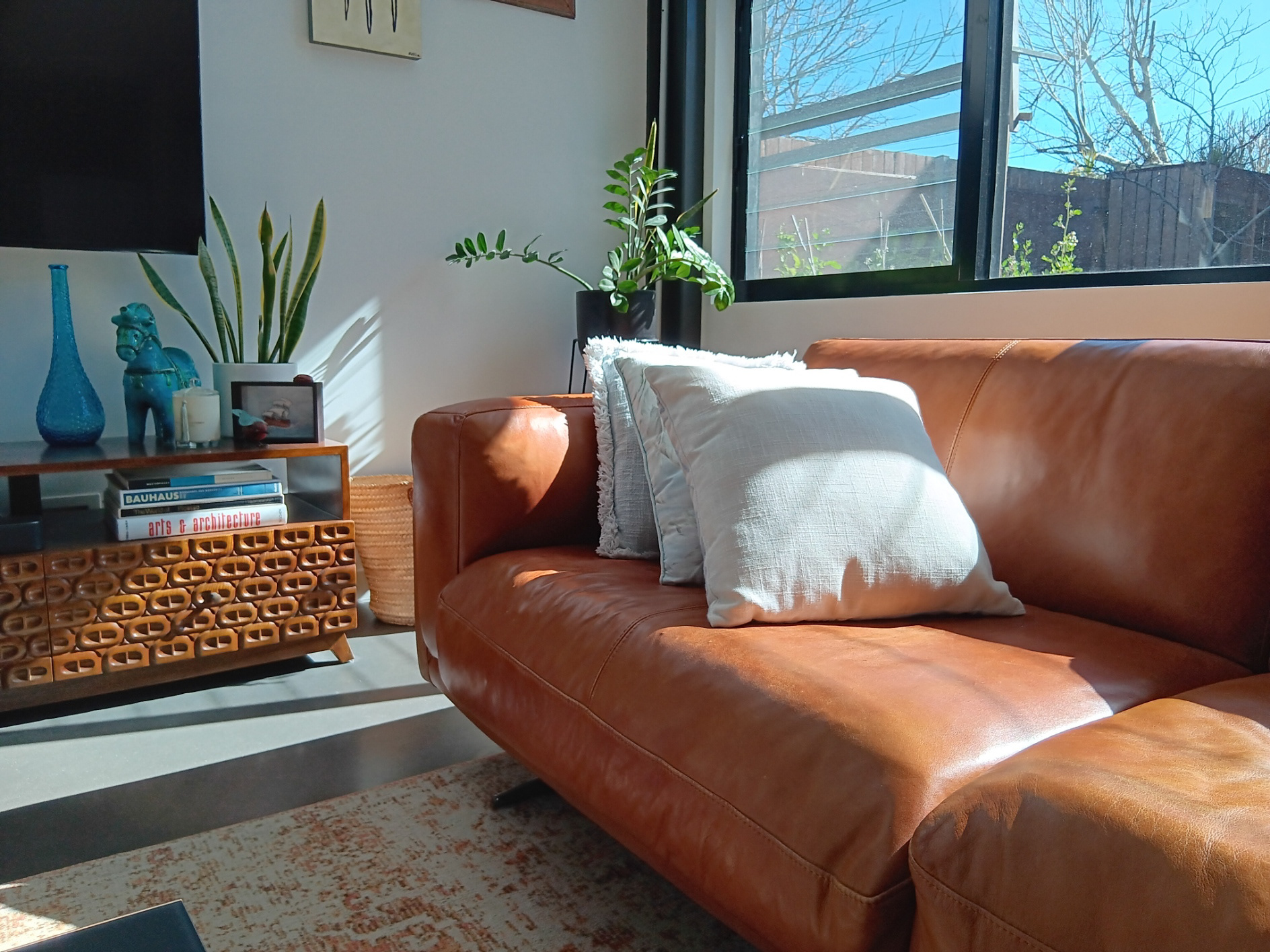
Sunlight is the ultimate invisible building material. When you design a home to let natural light do the heavy lifting, you slash energy bills and create an indoor environment that feels vibrant and alive. Here is why prioritising the sun is the smartest move you can make for winter warmth and year-round comfort.
The Physics of Passive Heating
Designing with sunlight relies on passive solar engineering. This approach does not require complex mechanical systems; instead, it uses the architecture itself to trap and store heat.
Orientation: Facing the main living areas north (in the Southern Hemisphere) or south (in the Northern Hemisphere) maximizes winter sun exposure.
Thermal Mass: Materials like concrete, brick, or tiles absorb midday solar heat and slowly radiate it back into the rooms during chilly nights.
Glazing Control: Strategic window placement lets low-angle winter sun penetrate deep into the home while blocking high-angle summer sun.
Boosting Mental and Physical Wellbeing
Sunlight does more than warm up your floors; it regulates your body. Dark, poorly lit homes force you to rely on artificial lighting, which can disrupt your natural rhythms.
Circadian Rhythms: Natural morning light resets your sleep-wake cycle, boosting daytime energy and improving night time sleep.
Mood Enhancement: Sunlight triggers the release of serotonin, a hormone associated with boosting mood and helping you feel calm and focused.
Visual Comfort: Diffused natural light reduces eye strain compared to the harsh glare of fluorescent or poorly positioned LED bulbs.
Slashing Your Energy Footprint
Using sunlight as a primary resource directly impacts your wallet and the planet.
Lower Heating Costs: Letting the sun heat your thermal mass reduces the runtime of electric or gas heaters.
Reduced Lighting Bills: Maximizing daylight means your light switches stay off until the sun goes down.
Longevity: Sunlight never breaks down, requires no maintenance, and will never send you a monthly bill.
CONTACT
If sunlight is important to you, contact Design Pad to discuss the best way to improve your comfort and well being.